
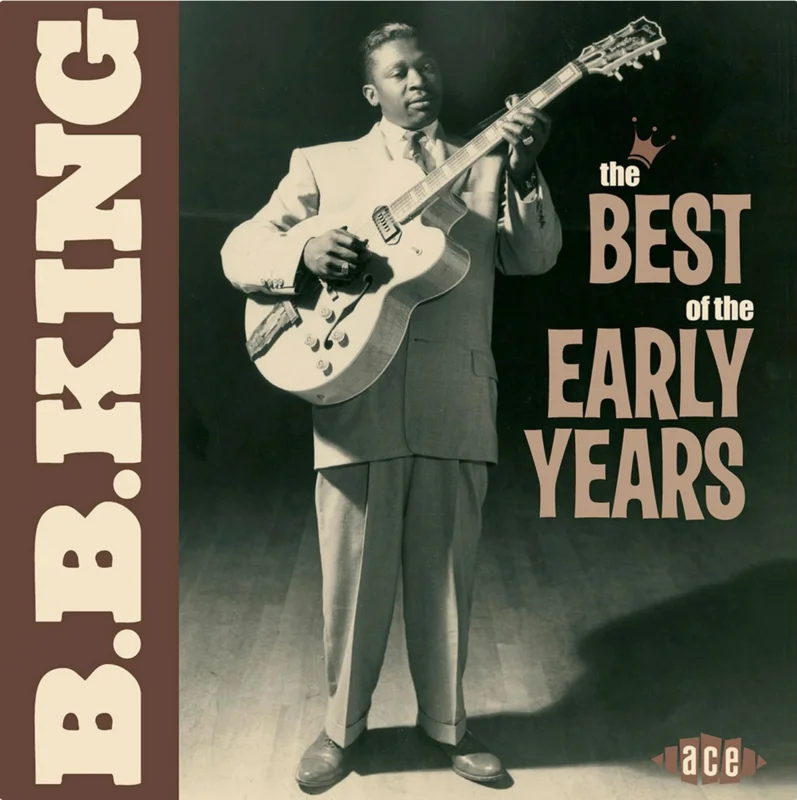

Description
thats more than made up for by the sheer brilliance of Kings guitar work, which comes out of the speakers and bites you. Based on an earlier 1949 hit, Sweet Black Angel by Robert Nighthawk, its another song which King has indelibly made his own. In contrast, Dont Look Now, But Ive Got The Blues, from 1958, is a wry, not-too-demanding number written by Lee Hazlewood, who would later pen These Boots Are Made For Walking for Nancy Sinatra. By the time this was cut, Kings popularity was being eaten into by the rise of rocknroll, and although he still had his traditional fan base he was yet to make any inroads into the white market. But that would come in time. Mind you, the thunderous drum roll that introduces Early In The Morning, along with heavy backbeat and honking sax solo, has a taste of the rocknroll that King eschewed. The song also bears a strong affinity to Elvis Presleys take of Arthur Big Boy Crudups My Baby Left Me. Two Kings for the price of one, if you like.
Days Of Old, a 1958 B-side, finds B.B. in exuberant, almost playful vocal mood with a big band backing. Perhaps its the line Met a girl on the avenue, she was shy and I was blue which tickled Kings fancy. Although I doubt, considering Kings life on the road, whether that was ever the case. Crudup, who popped up in the discussion of Early In The Morning, cut the original version of Mean Old Frisco in 1942. King gives it an intriguing, chugging train-like rhythm in an attempt to catch the ear of a younger generation of jukebox-listening record-buyers in 1959. Catfish Blues (aka Fishin After Me) from a year later is best known from the version by Muddy Waters, which he called Rolling Stone, but King was also paying homage to the original version of the song by Robert Petway. Either way its an excellent uptempo version of the song helped along by the admirable rolling piano work of long-time Lowell Fulson and T-Bone Walker collaborator Lloyd Glenn.
Another King favourite, Sweet Sixteen, was cut in October 1959 and has formed part of his stage show ever since. Its a perfect marriage of heartfelt vocals and striking guitar work. The blues is almost sacred, King says. Like gospel music. Because its a part of our culture and a part of us. Listen to the gospel-fuelled end of this two-part epic and you can see what he means. King thinks Ill Survive is one his best tracks and that may surprise some, for this is almost supper club blues with vocals that recall Arthur Prysock or Billy Eckstine. But as Pete Welding pointed out, Kings success has in a large part been his ability to synthesise many brands of black music blues, swing, jump and jazz into his personal style. This is King the balladeer, and great one at that.
Downhearted, which is better known by the title How Blue Can You Get?, is probably the finest blues ever to have been written by somebody who came from Hampstead, North London (see Juke Blues #62 for the full story). The Leonard Feather song had first been cut by Johnny Moores Three Blazers in 1949. King cut it at the end of his tenure with Modern Records, but recorded it again for his new label, ABC, and included it in his ground-breaking Live At The Regal album in 1964, since when it has become another regular item in his live shows. By the time Bad Case Of Love was recorded in 1961, King was looking for success outside the blues field. Love, a perky uptempo rocker, didnt provide it, but King liked the tune enough to record it again on his Blues On The Bayou album. That success he was looking for would come in 1964 with the more traditional Rock Me Baby, his biggest hit peaking at #34 in the US pop charts before the career-changing The Thrill Is Gone. Any blues band worth their salt will have covered this tune and the wonderfully tight arrangement. No King concert is complete without it.
An unusual song for King to cover, the country piece Blues Stay Away From Me was first recorded by the Delmore Brothers and was cut after King returned to Modern for a one-day, six-song contractual session in 1965. But then blues and country went way back together to the days of Jimmie Rodgers. Notice the great barrelhouse piano work too. Cut at the same session, Five Long Years is a cover of an Eddie Boyd song from 1952 which King gives the respect it deserves. Growling vocals and some stinging guitar work make this a gem.
Released in 1971, long after King had left Modern Records, That Evil Child has strings and possibly percussion overdubbed, which doesnt detract from the quality of the song. And finally, for the first time ever, we bring you a new B. B. King song well sort of. Why I Sing The Blues has been issued before by Ace, but this new version uses intercuts from takes 2, 3 and 4 to bring you another vintage slice of King in his prime and a fitting tribute to this album of the Kings jewels. — JOHN CLARKE, The Times
it contains;
B.B. Boogie
She’s Dynamite
Shake it Up and Go
3 O’Clock Blues
Please Love Me
Woke Up This Morning
You Upset Me Baby
Every Day I Have the Blues
When My Heart Beats Like a Hammer
Ten Long Years
Sweet Little Angel
Don’t Look Now, But I’ve Got the Blues
Early In The Morning
Days of Old
Mean Old Frisco
Catfish Blues (aka Fishin’ After Me)
Sweet Sixteen (Parts 1 & 2)
I’ll Survive
Downhearted aka How Blue Can You Get?
Bad Case of Love
Rock Me Baby
Blues Stay Away From Me
Five Long Years
That Evil Child
Why I Sing the Blues
NEW SEALED importCD
Reviews
There are no reviews yet.